
Is This PMS or PMDD? The Brutal Truth About the Difference
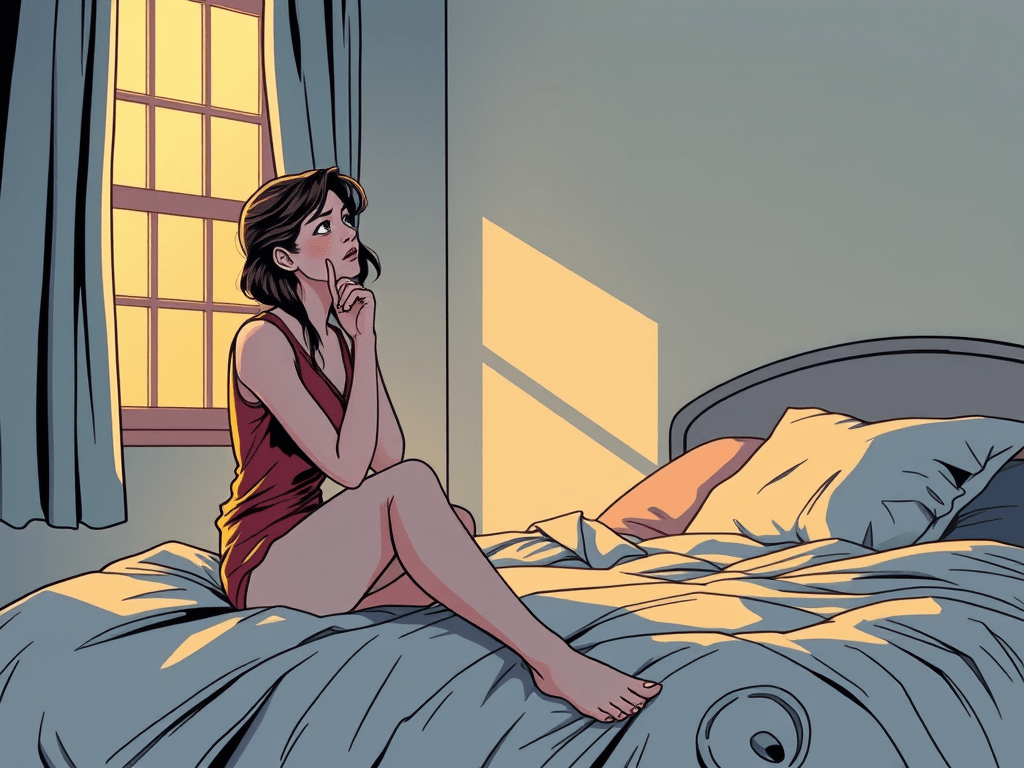
If you’ve ever sat on the edge of your bed thinking, “Is this PMS? Is this PMDD? Or am I actually losing the plot?” — you’re not dramatic, you’re not imagining it, and you’re definitely not alone.
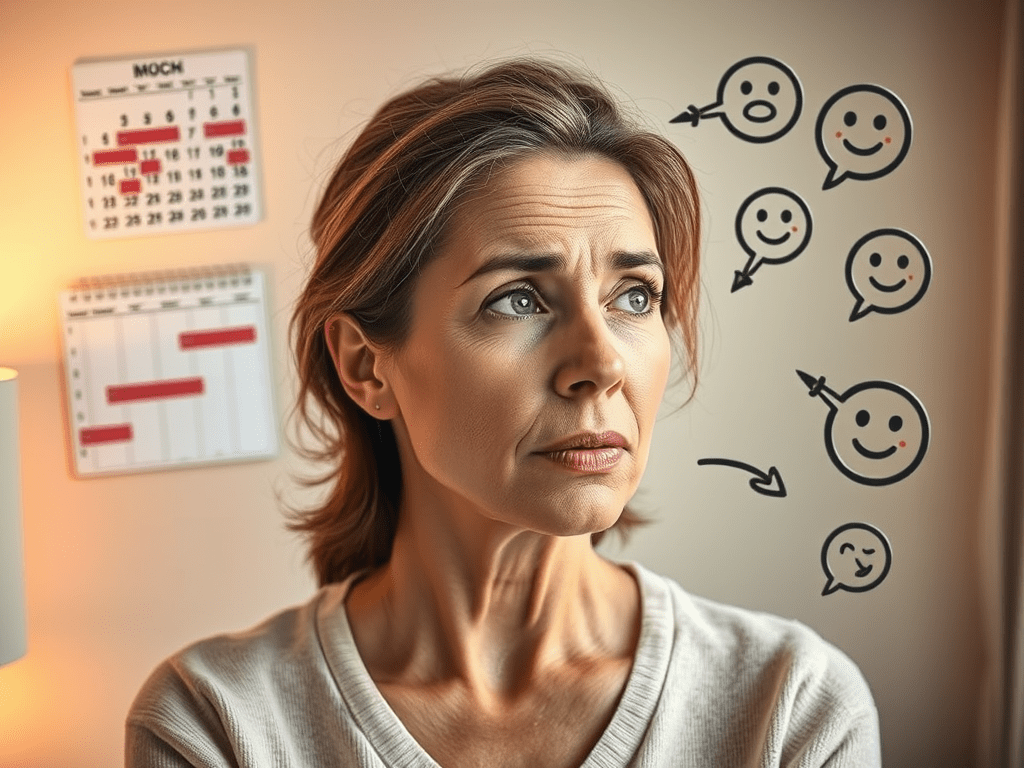
The line between PMS and PMDD is far more blurred than the internet, your GP, or your mates make it seem. For many women, symptoms bleed into one another (no pun intended), and the emotional impact can feel intense, confusing, or downright terrifying.
This post breaks down the real, everyday difference between PMS and PMDD — without minimising anyone’s struggle — and looks at something we really need to talk about:
PMDD, behaviour, and the question of accountability.
This is a trauma-informed lens, told through lived experience, emotional honesty, and the raw truth that women deserve better than one-line symptom lists.
⸻
🌑 PMS vs PMDD: The Basics (Without the Medical Jargon)
Most websites will tell you:
• PMS = moodiness and discomfort
• PMDD = severe mood disorder
Accurate, yes. Helpful? Barely.
Here’s the real, lived difference:
**PMS affects your mood.
PMDD hijacks your entire nervous system.**
PMS might mean irritability, bloating, low tolerance, a good cry at an advert.
PMDD is different:
• intrusive thoughts
• emotional dysregulation
• panic
• shame spirals
• rage you don’t recognise
• hopelessness
• overwhelm that feels like it comes from nowhere
Women often describe PMDD as:
“It feels like I’m not myself.”
⸻
The Blurred Middle: The Part No One Talks About
There’s a hidden category of women who live in the messy middle:
**Too intense for PMS.
Not severe enough (or consistent enough) for classic PMDD.**
Add in trauma, CPTSD, or a history of emotional neglect — and the hormonal impact becomes even more pronounced. Hormones fluctuate → the brain reads it as danger → the nervous system reacts → the emotional load spikes.
This is why so many women feel like their symptoms “don’t fit” neatly anywhere.
You’re not broken. Your system is responding exactly how a dysregulated, overloaded system would respond.
⸻
Why Trauma Intensifies Hormonal Symptoms
This is where the Her Shift angle matters.
Because it’s not just hormones.
Women with trauma backgrounds — especially parental narcissistic abuse, chronic stress, emotional neglect, or CPTSD — have a sensitised stress-response system.
So when hormones shift each month, it’s not “just hormones.”
It’s:
• your limbic system
• your trauma history
• your stress load
• your nervous system
all reacting at once.
This is the piece missing from most PMDD conversations online.
⸻
PMDD as Diminished Responsibility: The Hard Conversation
Here’s the part people avoid.
Can PMDD cause behaviours that feel out-of-character?
Absolutely.
Can PMDD dysregulate someone so badly they say or do things they later deeply regret?
Yes.
Is that an excuse for repeated cruelty, emotional abuse, or a total lack of accountability?
No.
We can hold two truths at once:
**Hormones can change behaviour.
And adults are still responsible for repairing the damage.**
PMDD is a reason.
It should never become a weapon.
This isn’t about blame — it’s about awareness, ownership, and rebuilding trust with yourself and others.
How to Begin Understanding What’s Really Going On
Try asking:
• Does this feel like me, or does it feel like “someone else” takes over?
• Do these patterns match hormonal timing?
• Is trauma or stress amplifying this cycle?
• Are my symptoms functional, disruptive, or life-altering?
• If I hurt someone during this, am I repairing afterwards?
Self-awareness is the most powerful step toward regulating, healing, and making sense of your cycle.
🎧 Want the deeper version? Listen to the full episode.
Anna breaks down the blurred lines, the emotional impact, the trauma link, and the accountability conversation in her latest episode of the Her Shift Podcast.
👉 Listen here: HER SHIFT PODCAST
👉 Subscribe for weekly trauma-informed insights.
⸻
💌 Feeling Seen? Join “The Room.”
A private, supportive space for women dealing with PMDD, trauma recovery, self-worth wounds, and the messy, beautiful process of becoming who you are.
👉 Join The Room: HER SHIFT PODCAST
⸻
🩸 SEO Keywords
PMS vs PMDD, PMDD symptoms, PMDD trauma link, PMDD rage, premenstrual dysphoric disorder help, emotional dysregulation before period, PMS mood swings, PMDD relationships, CPTSD trauma and hormones, perimenopause mood swings, women’s mental health, Anna Pearce-Roberts, Her Shift Podcast, trauma-informed healing for women.




 Her Shift with Anna Pearce-Roberts
Leave a comment