
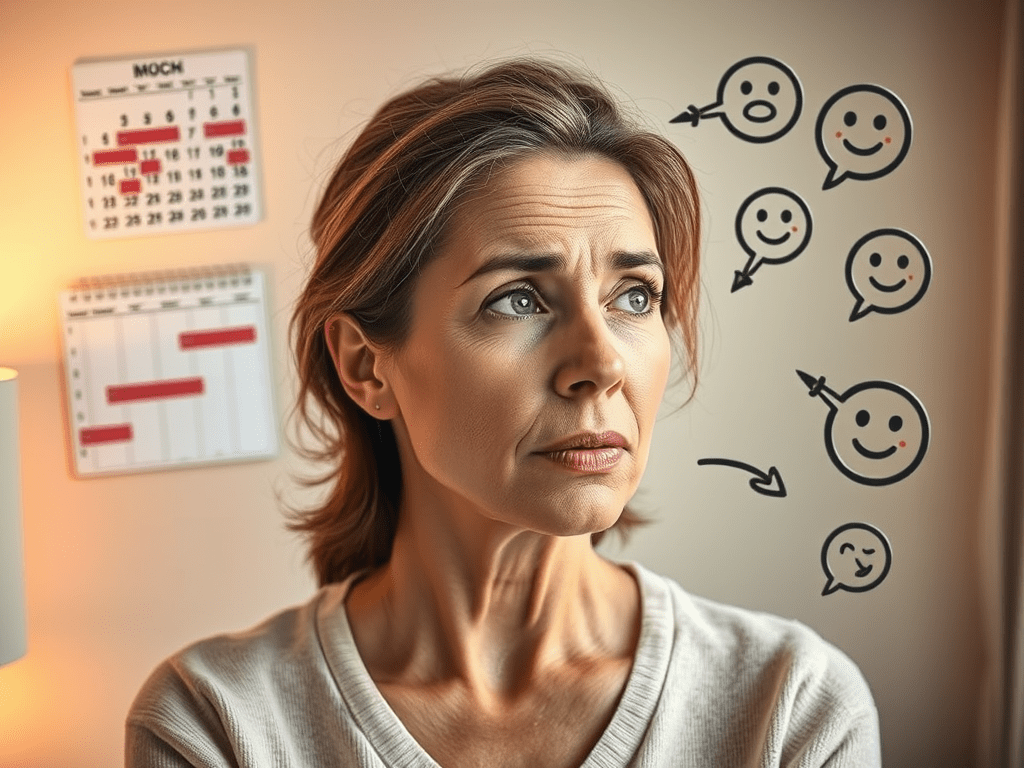
Are you struggling with PMDD and the lingering effects of trauma? You’re not alone, and there are holistic treatments that can help ease your symptoms and promote healing.
In this article, we’ll uncover 11 transformative holistic approaches that not only target PMDD but also provide trauma care. Get ready to be amazed, especially by #6! Each method is designed to nurture your mind, body, and spirit, offering a path to balance and wellness.
Imagine serene environments, natural remedies, and practices that connect you with your inner self, all beautifully depicted in vibrant images that resonate with your journey.
1. Mindfulness Meditation
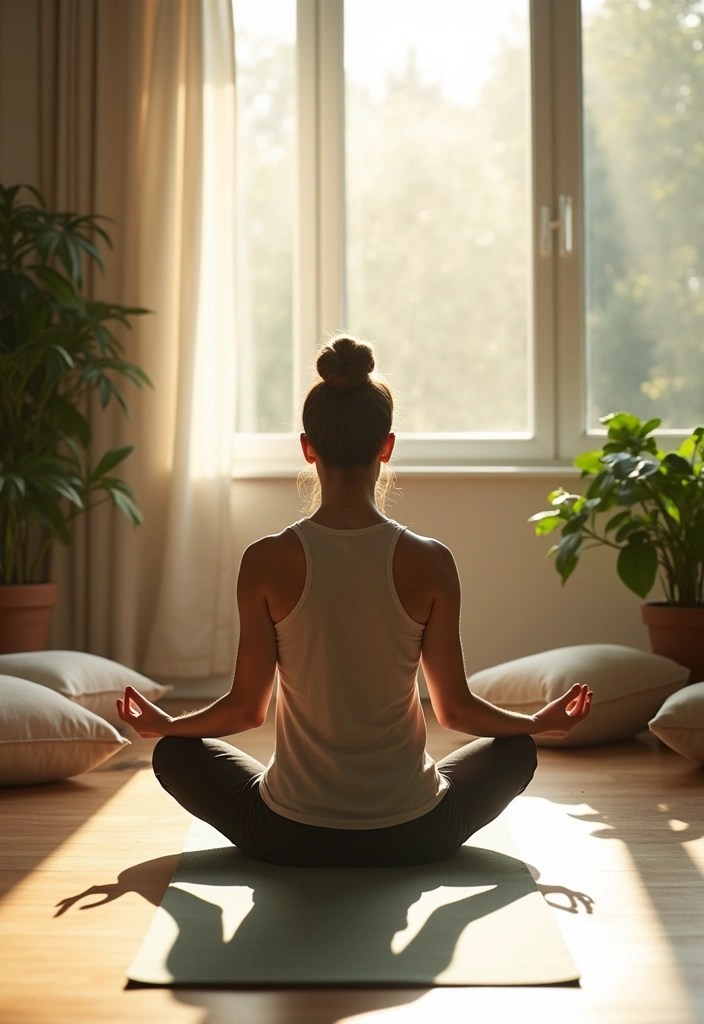
Mindfulness meditation is a powerful tool for managing PMDD and trauma. By focusing on the present moment, it helps reduce anxiety and promotes emotional regulation.
Practicing mindfulness allows you to observe your thoughts and feelings without judgment. This gentle awareness can lead to a deeper understanding of your emotional triggers, enabling you to respond rather than react. Regular meditation can improve your mood, enhance your overall well-being, and foster a sense of peace amidst chaos.
With just a few minutes each day, you can cultivate a practice that transforms your relationship with your emotions.
2. Herbal Remedies

Nature offers a treasure trove of herbal remedies that can alleviate PMDD symptoms and support trauma recovery. Herbs like chaste tree berry, evening primrose oil, and St. John’s Wort have been traditionally used to balance hormones and uplift mood.
Creating herbal infusions or tinctures allows you to harness the healing power of plants. These natural remedies can help regulate menstrual cycles, reduce irritability, and promote emotional stability. Always consult with a healthcare professional to find the right herbs for your needs, ensuring they align with your unique health profile.
3. Acupuncture

Acupuncture is an ancient Chinese practice that involves inserting thin needles into specific points on the body to balance energy flow. This holistic treatment has been shown to alleviate PMDD symptoms and provide trauma care by promoting relaxation and reducing stress.
Research suggests that acupuncture can help regulate hormonal fluctuations, improve mood, and alleviate physical discomfort. The gentle insertion of needles can enhance the body’s natural healing processes, offering a sense of well-being. Many find the experience deeply relaxing, making it a perfect complement to other holistic approaches.
4. Yoga Therapy

Yoga therapy combines physical postures, breathing exercises, and meditation to create a holistic approach to health. It is particularly beneficial for managing PMDD and addressing trauma, as it fosters a deep connection between the mind and body.
Gentle yoga poses can ease tension, improve flexibility, and promote relaxation. Classes focused on restorative or yin yoga can be especially soothing, allowing individuals to release emotional and physical stress. Engaging in a regular yoga practice can empower you to cultivate resilience and self-awareness, enhancing your overall quality of life.
5. Nutrition and Diet

The food you consume plays a crucial role in managing PMDD and healing from trauma. A balanced diet rich in whole foods, healthy fats, and plenty of fruits and vegetables can significantly impact your mood and energy levels.
Incorporating omega-3 fatty acids, magnesium, and vitamins B and D into your meals can help regulate hormones and reduce mood swings. Consider keeping a food diary to identify any triggers or patterns in your eating habits. By nourishing your body with the right nutrients, you empower yourself to feel better from the inside out.
6. Art Therapy
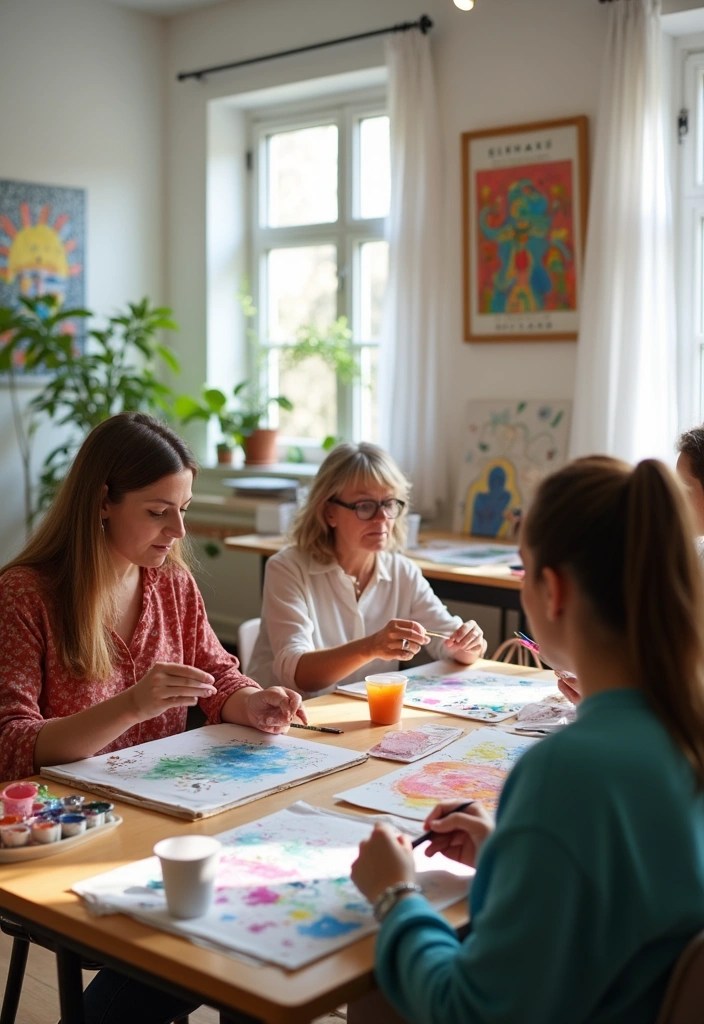
Art therapy is a creative approach that allows individuals to express their feelings and experiences through artistic mediums. This holistic treatment can be particularly beneficial for those dealing with PMDD and trauma, as it provides a safe space to explore emotions.
Whether through painting, drawing, or sculpting, the act of creating can facilitate healing and self-discovery. Art therapy encourages you to focus on the process rather than the outcome, fostering a sense of freedom and exploration. Many find that expressing their feelings through art can lead to profound insights and emotional release.
7. Sound Healing

Sound healing utilizes the vibrational frequencies of sound to promote relaxation and healing. Instruments like singing bowls, gongs, and tuning forks can create a soothing environment that encourages emotional release and stress reduction.
This holistic approach can be particularly effective for individuals dealing with PMDD and trauma, as the sound vibrations can help balance energy and calm the mind. Participating in sound bath sessions or listening to healing music can foster a sense of connection and unity with yourself and the universe.
8. Journaling

Journaling is a powerful tool for self-reflection and emotional processing. Writing down your thoughts and feelings can help you gain clarity and insight into your experiences with PMDD and trauma.
This practice encourages you to express your emotions freely, allowing you to release pent-up feelings and explore your inner world. Incorporating prompts or gratitude lists can enhance the benefits of journaling, transforming it into a therapeutic experience. Many find that journaling not only helps them cope but also fosters personal growth and resilience.
9. Breathwork
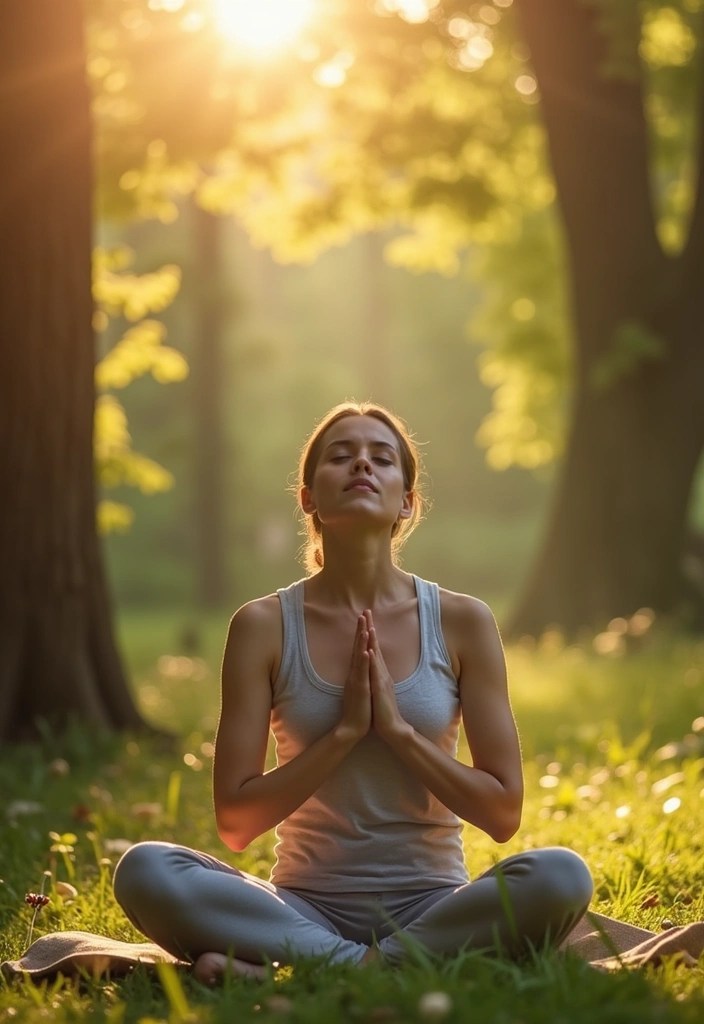
Breathwork is a holistic practice that focuses on using the breath to promote physical, emotional, and spiritual well-being. Techniques such as deep diaphragmatic breathing or pranayama can help calm the nervous system and alleviate anxiety associated with PMDD and trauma.
By consciously controlling your breath, you can influence your emotional state and cultivate a sense of inner peace. Regular breathwork sessions can lead to improved emotional regulation, increased energy, and a greater sense of connection to yourself. It’s a simple yet powerful tool that can be practiced anywhere.
10. Aromatherapy
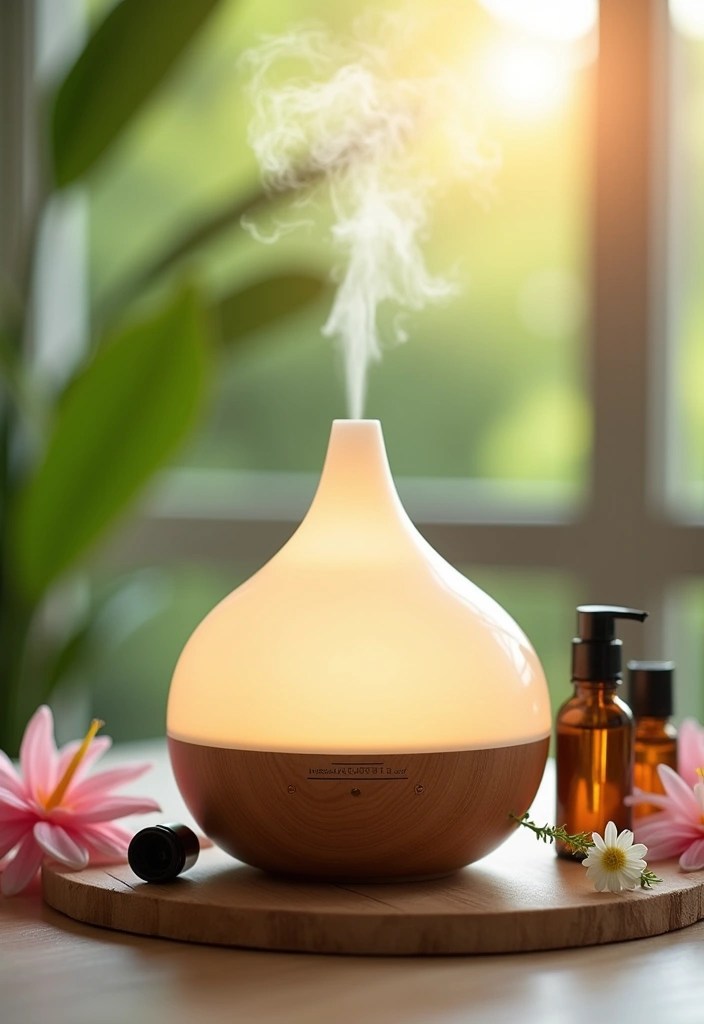
Aromatherapy harnesses the power of essential oils to promote emotional and physical well-being. Essential oils like lavender, chamomile, and bergamot can help reduce anxiety and improve mood, making them excellent for those dealing with PMDD and trauma.
Incorporating aromatherapy into your daily routine can be as simple as using a diffuser, adding oils to your bath, or applying them topically with a carrier oil. The comforting scents can create a calming environment, helping you to unwind and feel more centered. Discover the transformative effects of these natural fragrances on your emotional health.
11. Nature Therapy

Nature therapy, or ecotherapy, involves spending time in natural environments to promote healing and well-being. Connecting with nature has been shown to reduce stress, improve mood, and enhance overall mental health, making it an ideal complement to PMDD and trauma care.
Whether through hiking, gardening, or simply enjoying a park, immersing yourself in nature can help ground you and foster a sense of peace. The sights, sounds, and smells of the outdoors can provide a rejuvenating experience, allowing you to reconnect with yourself and the world around you.
Conclusion

Embracing holistic treatments for PMDD and trauma can lead to profound changes in your emotional and physical well-being. From mindfulness meditation to nature therapy, each approach offers unique benefits that can empower you on your healing journey.
Consider integrating these alternative methods into your life to discover what resonates with you personally. Your path to wellness is within reach, and with the right tools, you can cultivate a healthier, happier you.






 Her Shift with Anna Pearce-Roberts
Leave a comment