
Understanding the intricate relationship between PMDD and narcissistic abuse can transform our approach to healing.
Premenstrual Dysphoric Disorder (PMDD) affects countless individuals, often intertwined with emotional trauma inflicted by narcissistic partners.
In this article, we will unveil 15 surprising connections between PMDD and narcissistic abuse, offering insights into how to heal and reclaim your mental health.
Prepare to embark on a journey of awareness and empowerment.
1. Understanding PMDD: More Than Just PMS
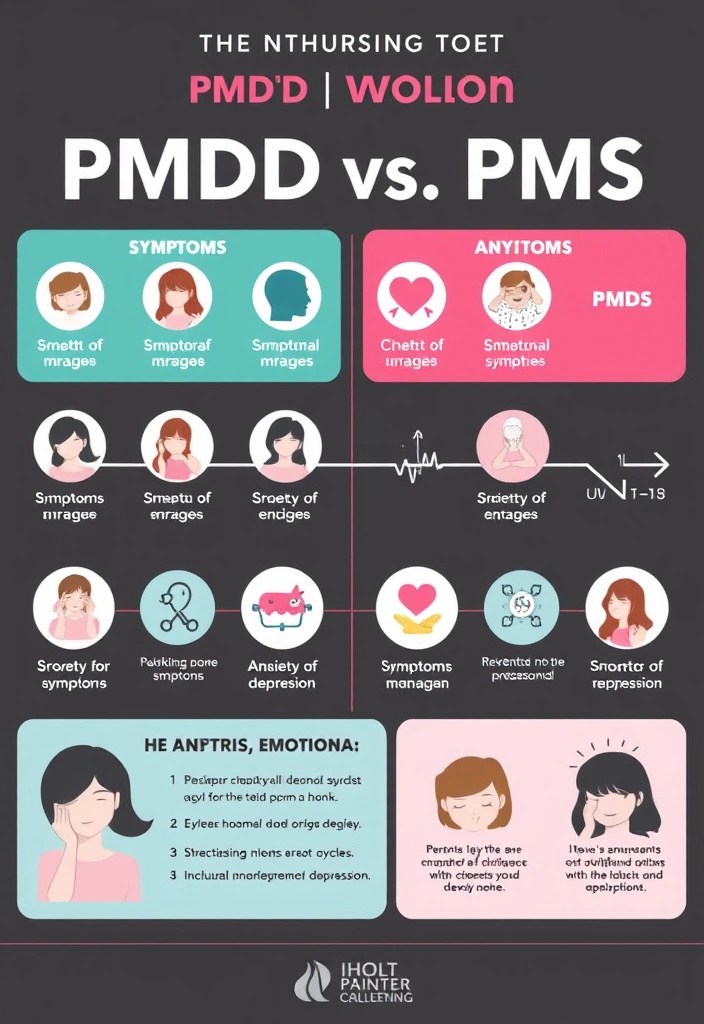
PMDD, or Premenstrual Dysphoric Disorder, is frequently mistaken for an intensified version of PMS; however, its effects extend far beyond common menstrual discomfort. This severe mood disorder can manifest as crippling anxiety, profound depression, and even suicidal ideation, profoundly impacting daily life.
During the luteal phase, hormonal fluctuations can intensify emotional responses, particularly in individuals who have endured narcissistic abuse. For a deeper understanding of PMDD, consider exploring books on PMDD, which can provide valuable insights into managing this condition.
It’s crucial to recognize PMDD as a serious mental health issue, which encourages individuals to seek appropriate help, including online therapy subscriptions that offer professional support. Additionally, exploring hormone balance supplements may also aid in alleviating some of the symptoms associated with PMDD. Understanding the connection between PMDD and past traumas is a vital step towards healing and recovery.
Product Recommendations:
• online therapy subscriptions.
2. Emotional Trauma as a Trigger

Emotional trauma stemming from narcissistic abuse can greatly intensify the symptoms of PMDD. Survivors often experience heightened stress and anxiety, particularly during their menstrual cycle, which can lead to more pronounced PMDD manifestations.
Recognizing this connection is vital for the healing journey. It highlights the importance of trauma-informed care that addresses both the complexities of PMDD and the lingering effects of past abuse.
For those seeking support, exploring trauma recovery books can provide valuable insights and coping strategies. Additionally, utilizing mindfulness apps can help manage anxiety and stress, contributing to a more holistic approach to healing.
Product Recommendations:
• Trauma Recovery Workbook: Skills for Healing from Trauma
• The Body Keeps the Score: Brain
• Mind
• and Body in the Healing of Trauma
3. The Cycle of Control and Emotional Instability

Narcissistic abuse frequently manifests through cycles of control and emotional instability, which can significantly exacerbate PMDD symptoms.
Survivors may find themselves trapped in a tumultuous emotional state, swinging between feelings of worthlessness and intense anger. This unpredictable emotional landscape can make coping with PMDD even more challenging.
By recognizing these harmful patterns, individuals can empower themselves to break free from the cycle and pursue healthier relationships. Resources such as self-help books on narcissistic relationships can provide valuable insights and strategies for healing.
Additionally, participating in relationship therapy workshops can foster personal growth and resilience, while emotional intelligence courses can equip survivors with the skills to navigate their emotions more effectively.
Product Recommendations:
• self-help books on narcissistic relationships
• relationship therapy workshops
• emotional intelligence courses
4. The Role of Gaslighting

Gaslighting is a prevalent tactic employed by narcissists to manipulate their victims, often resulting in significant confusion and self-doubt. This form of emotional abuse can exacerbate PMDD symptoms, as individuals find it increasingly difficult to trust their own feelings and perceptions.
To combat this, healing begins with recognizing gaslighting tactics and taking steps to reclaim one’s reality, which can be profoundly liberating. Engaging in online support groups can provide a safe space for individuals to share their experiences and validate their feelings.
Additionally, participating in self-empowerment courses can equip individuals with the tools necessary to build self-trust and resilience against manipulation.
Product Recommendations:
• self-help books on emotional abuse
• mindfulness journals for emotional well-being
• therapy workbooks for building self-esteem
5. Isolation and Emotional Withdrawal

Narcissistic abusers frequently create a sense of isolation for their victims, which can lead to profound emotional withdrawal and worsen PMDD symptoms.
When individuals feel cut off from their support systems, feelings of loneliness and despair can become overwhelming, making it even more challenging to cope with PMDD.
Recognizing this dynamic is crucial, as it can motivate individuals to reconnect and rebuild their support networks. Utilizing community support apps can help facilitate these connections and provide a sense of belonging.
Additionally, exploring books on rebuilding relationships can offer valuable insights and strategies for nurturing important connections.
Lastly, incorporating self-care subscription boxes into your routine can provide essential tools and resources to prioritize your well-being during difficult times.
Product Recommendations:
• books on rebuilding relationships
• self-care subscription boxes
6. The Impact of Low Self-Esteem

Narcissistic abuse can have a profound impact on an individual’s self-esteem, often leading to deep-seated feelings of unworthiness, especially during episodes of PMDD. This internal struggle may manifest as heightened self-criticism and negative self-talk, which can exacerbate PMDD symptoms such as irritability and anxiety.
To combat these harmful patterns, exploring resources that foster self-acceptance and self-love is essential. Consider investing in self-esteem boosting books that provide insights and strategies for rebuilding your confidence. Additionally, using affirmation cards can help reinforce positive self-talk and counter negative thoughts.
Furthermore, engaging in personal development courses can offer valuable tools and techniques to cultivate a healthier self-image. Recognizing the connection between low self-esteem and PMDD is a crucial step toward healing and empowerment.
Product Recommendations:
• personal development courses
7. Stress Management Techniques

Effective stress management techniques can significantly alleviate PMDD symptoms that may arise from experiences of narcissistic abuse. Engaging in practices such as yoga can enhance physical and emotional well-being, providing a much-needed outlet for stress relief.
Additionally, keeping a mindfulness journal allows individuals to express their thoughts and feelings, promoting mental clarity and emotional healing.
Incorporating guided meditation apps into your daily routine can further support mindfulness practices, helping to center the mind and reduce anxiety. By regularly implementing these techniques, individuals can empower themselves to manage their symptoms and enhance their overall well-being.
Product Recommendations:
• yoga mat
8. Building Healthy Boundaries

Learning to establish and uphold healthy boundaries is crucial for those recovering from both narcissistic abuse and PMDD. Healthy boundaries not only safeguard emotional well-being but also serve as a defense against manipulation, fostering a sense of self-respect.
To aid in this journey, exploring books on boundary setting can provide valuable insights and strategies. Additionally, participating in workshops on assertiveness can empower individuals to confidently express their needs.
Furthermore, considering coaching services for personal development can lead to profound changes in one’s mental health, promoting the ability to say ‘no’ and prioritize personal well-being. Embracing these resources can significantly enhance the recovery process.
Product Recommendations:
• Boundary Setting Workbook: Practical Exercises for Personal Empowerment
• Assertiveness Training Book: How to Stand Up for Yourself
• Coaching for Emotional Resilience: A Guide to Personal Growth and Healing
9. Nutrition’s Role in PMDD

Diet plays a vital role in managing the symptoms associated with PMDD.
Incorporating a balanced diet that emphasizes whole foods, omega-3 fatty acids, and essential vitamins can significantly alleviate mood swings and physical discomfort.
For those looking to enhance their culinary skills and nutrition knowledge, investing in healthy cookbooks can provide delicious recipes that support emotional and physical well-being.
Additionally, utilizing meal planning apps can help streamline the process of maintaining a nutritious diet, making it easier to stick to healthful eating habits.
Furthermore, exploring nutritional supplements specifically designed for PMDD can be a game changer, particularly for those grappling with the effects of past trauma.
Understanding the intricate relationship between nutrition and hormonal changes can empower individuals in their journey toward healing and emotional stability.
Product Recommendations:
• Nutritional supplements specifically designed for PMDD
10. Seeking Professional Help

Professional help, such as therapy or counseling, is essential for individuals dealing with PMDD and the effects of narcissistic abuse. Engaging with therapists who specialize in trauma-informed care can provide personalized strategies and support tailored to your healing journey.
Consider utilizing online therapy platforms that offer accessible mental health services, making it easier to find the help you need from the comfort of your home.
Additionally, exploring mental health resources can equip you with valuable information and coping techniques to assist in your recovery.
For those who prefer a more hands-on approach, workbooks designed for emotional healing, like those available at this link, can guide you through self-reflection and growth. Recognizing the importance of professional guidance is a crucial step toward reclaiming your well-being.
Product Recommendations:
• Self-help workbooks for emotional healing
• guided journals for trauma recovery
• online therapy subscription services.
11. Journaling for Emotional Release

Journaling serves as a transformative tool for individuals navigating the challenges of PMDD and experiences of narcissistic abuse.
By putting pen to paper, one can articulate thoughts and emotions, which aids in processing complex feelings, gaining clarity, and releasing accumulated stress.
To enhance this practice, consider using beautiful journals that inspire creativity and reflection. Pair your journaling with calligraphy pens for a touch of elegance, making the act of writing even more enjoyable.
Additionally, incorporating journaling prompts books can provide valuable guidance, helping to spark insights and foster deeper self-discovery on your healing journey.
Product Recommendations:
12. The Healing Power of Community

Connecting with others who have faced similar challenges can provide invaluable support in your journey towards healing.
Participating in community groups, whether online or offline, creates a safe environment where individuals can share their experiences and coping strategies.
Consider joining a support group by exploring various memberships for support groups.
Additionally, enhancing your understanding of community building can be beneficial; check out insightful books on community building to guide you in creating meaningful connections.
These steps can significantly improve mental health and foster a deep sense of belonging.
Product Recommendations:
• journals for emotional healing
• self-help books on trauma recovery
• guided meditation audio for stress relief
13. Art Therapy as a Healing Tool

Art therapy serves as a powerful means for individuals to express their emotions and navigate the intricate challenges associated with PMDD and narcissistic abuse. Engaging in creative activities allows individuals to transform their feelings into tangible forms, facilitating emotional release and fostering healing.
For those just starting their artistic journey, investing in art supplies for beginners can be a great first step.
Additionally, taking online art therapy classes can provide guidance and structure, helping participants explore various techniques and mediums.
To deepen your understanding of the connection between creativity and healing, consider reading books on creativity and healing, which can inspire self-discovery and encourage personal growth through artistic expression.
Product Recommendations:
14. The Importance of Self-Care Rituals

Establishing self-care rituals is crucial for effectively managing PMDD and facilitating recovery from narcissistic abuse.
Engaging in self-care activities can take various forms, such as indulging in relaxing bath bombs that create a soothing atmosphere during bubble baths, or enjoying rejuvenating nature walks that connect you with the outdoors.
Additionally, exploring self-care subscription boxes can provide you with a curated selection of wellness items to enhance your self-care routine.
By prioritizing these practices, you can cultivate resilience and empower yourself to better cope with the symptoms of PMDD and the effects of past trauma.
Product Recommendations:
• aromatherapy essential oil diffuser
• guided journal for self-reflection.
15. Embracing Your Journey to Healing

Embracing the journey of healing from PMDD and narcissistic abuse is a transformative step toward reclaiming your life and well-being.
It’s important to remember that each person’s healing path is distinct, and acknowledging progress—regardless of its size—is crucial. Engaging in personal development courses can provide valuable tools and insights to aid in your recovery.
By cultivating self-compassion and taking the time to celebrate your victories, no matter how small, you can nurture a positive mindset that fosters lasting change. Embrace this journey wholeheartedly, and trust that healing is not only possible but also a vital part of reclaiming your strength and happiness.
Product Recommendations:
• self-help books on emotional healing
• journals for self-reflection and growth
Conclusion

Understanding the connection between PMDD and narcissistic abuse is a crucial step toward healing.
By exploring these 15 shocking ways, individuals can begin to uncover the roots of their struggles and implement strategies for recovery.
Remember, healing is a journey, and you are not alone in this process.
Note: We aim to provide accurate product links, but some may occasionally expire or become unavailable. If this happens, please search directly on Amazon for the product or a suitable alternative.
This post contains Amazon affiliate links, meaning I may earn a small commission if you purchase through my links, at no extra cost to you.







 Her Shift with Anna Pearce-Roberts
Leave a comment