
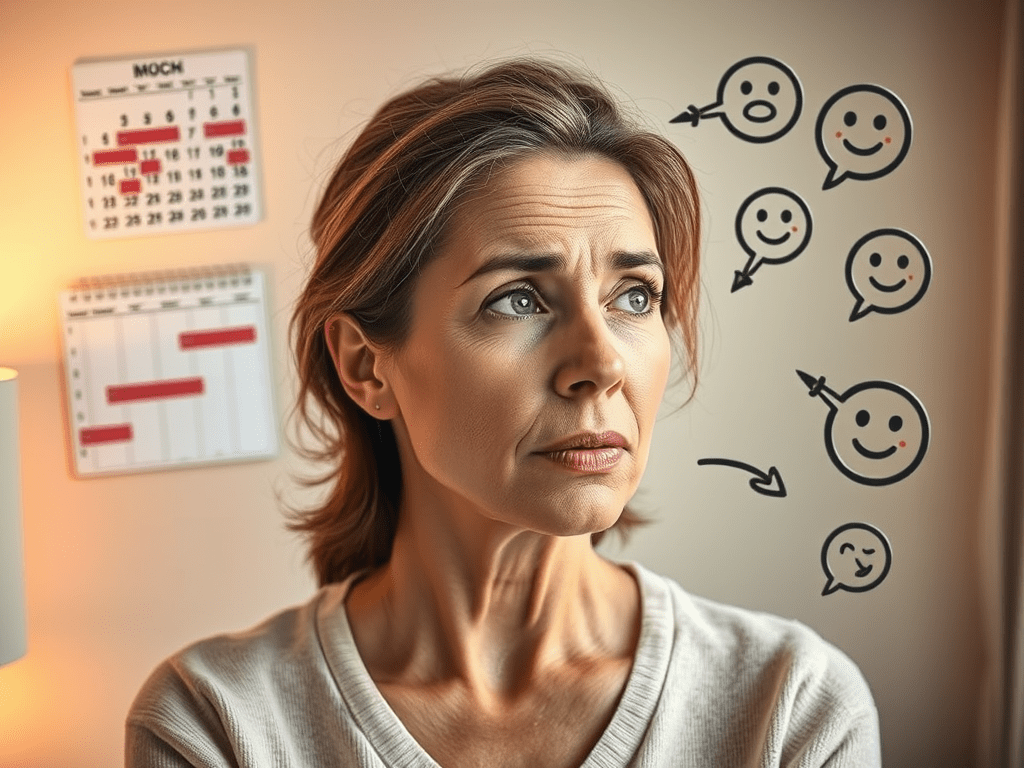
Dealing with Premenstrual Dysphoric Disorder (PMDD) can feel like a relentless cycle of emotional and physical turmoil.
However, embracing a journey of trauma recovery can offer transformative relief and empowerment.
In this listicle, we will explore seven essential steps that can guide you toward healing, helping you reclaim your mental health and navigate PMDD with grace and strength.
Contents
- 1. Acknowledge Your Feelings
- 2. Seek Professional Guidance
- 3. Establish Healthy Boundaries
- 4. Embrace Mindfulness Practices
- 5. Prioritize Self-Care
- 6. Connect with Supportive Communities
- 7. Celebrate Your Progress
1. Acknowledge Your Feelings

The first step toward trauma recovery is to acknowledge and validate your feelings.
Recognizing the profound impact that PMDD has on your mental health is crucial in laying a solid foundation for healing.
To facilitate this process, consider using a journal for emotional expression, which allows you to document your emotions and thoughts. Writing down your feelings or speaking them aloud can be incredibly therapeutic, helping you to process your experiences and gain a deeper understanding of your triggers.
Pair your journaling with some colorful gel pens to make the experience more enjoyable and creative.
Additionally, sipping on calming herbal teas while you journal can enhance your relaxation and focus, fostering an environment conducive to self-reflection.
For further growth, consider reading books on emotional intelligence, which can equip you with valuable tools to better understand and manage your feelings.
Lastly, incorporating guided journaling prompts into your routine can provide direction and structure, making it easier to explore your emotions without judgment. Embracing your feelings in this way can be liberating, paving the path for self-compassion and personal growth.
2. Seek Professional Guidance

Connecting with a therapist or counselor is an essential component of trauma recovery. Professional guidance provides customized strategies to help you navigate the complexities of PMDD and the trauma that often accompanies it.
Consider exploring books on trauma therapy that offer valuable insights and techniques to empower your healing journey.
Incorporating approaches such as Cognitive Behavioral Therapy (CBT) or trauma-focused therapy can effectively help you address negative thought patterns and emotions.
Additionally, creating a safe space to explore your feelings is vital for fostering healing and resilience. You might find online therapy subscription services beneficial, as they provide flexible access to professional support.
Moreover, engaging in mindful activities like mindfulness coloring books can enhance your emotional well-being.
Lastly, utilizing guided therapy workbooks can offer structured exercises to further aid in your recovery process.
3. Establish Healthy Boundaries

Setting healthy boundaries is essential for safeguarding your mental health throughout the PMDD cycle.
It’s important to communicate your needs clearly to friends, family, and colleagues, so they can better understand your emotional landscape.
Don’t hesitate to say no to activities that may feel overwhelming. Remember, creating space for self-care is not just a necessity; it’s a profound act of love toward yourself, allowing your mind and body to recharge.
To support your boundary-setting journey, consider reading insightful books on this topic, such as books on setting boundaries.
Additionally, using self-care planners can help you organize your time for relaxation and rejuvenation.
Enhance your self-care routine with relaxation candles that create a soothing atmosphere, or utilize stress relief toys to manage any tension that arises.
Taking these steps can significantly improve your overall well-being as you navigate your PMDD journey.
4. Embrace Mindfulness Practices

Mindfulness practices play a crucial role in the journey of trauma recovery, especially for those dealing with PMDD.
Incorporating techniques like meditation, deep breathing, and yoga can significantly aid in grounding yourself during challenging flare-ups.
Consider using a high-quality yoga mat to enhance your practice and provide comfort as you engage in poses that promote relaxation.
To support your meditation sessions, explore various meditation apps that offer guided sessions tailored to your needs.
Additionally, keeping a mindfulness journal can help you reflect on your emotions and thoughts, fostering greater self-awareness.
Lighting candles for relaxation can create a soothing atmosphere that enhances your mindfulness practice.
Finally, consider joining guided yoga classes that can provide structure and support as you deepen your practice.
Incorporating these tools into your daily routine can significantly enhance your emotional regulation and cultivate a sense of calm amidst the challenges of PMDD.
5. Prioritize Self-Care

Self-care should be viewed as a vital component of trauma recovery, particularly for those dealing with PMDD. It’s not merely a luxury but a necessity that nurtures both body and mind.
Make it a priority to set aside time daily for activities that spark joy and relaxation—consider wrapping yourself in a cozy luxury blanket, diving into a captivating self-care book, or indulging in a soothing bath with delightful bath bombs.
Engaging in these self-care rituals helps fill your emotional cup, enabling you to navigate the ups and downs with greater ease.
Additionally, consider tapping into your creative side with some relaxing adult coloring books, which can serve as a therapeutic outlet. Establishing a self-care routine not only reflects self-love but also embodies resilience in your healing journey.
6. Connect with Supportive Communities

Finding a supportive community can significantly enhance your trauma recovery journey, especially when navigating the challenges of PMDD.
Whether you choose to connect in-person or through online platforms, engaging with others who share similar experiences can offer invaluable validation and encouragement. Consider exploring books on community building to deepen your understanding of how to foster connections.
Support groups, forums, or social media communities can serve as wonderful spaces to share experiences and receive advice. For a more immersive experience, look into wellness retreats where you can meet like-minded individuals in a supportive environment.
Moreover, keeping track of your thoughts and feelings can be beneficial. Consider using inspirational journals to document your journey and reflect on your progress.
And don’t forget to empower yourself with self-help guides that can provide additional insights and strategies for coping.
Knowing you are not alone in your struggles can foster hope and solidarity, making your recovery journey feel more manageable and encouraging.
7. Celebrate Your Progress

Recognizing and celebrating your progress is a vital component of trauma recovery.
Take a moment to acknowledge even the smallest victories—be it completing a self-care day or successfully managing a challenging emotion. Keeping a celebration journal can help you document these milestones, allowing you to reflect on your journey and stay motivated.
Additionally, surrounding yourself with positivity can enhance this experience; consider adding some motivational wall art to your space or using gratitude journals to cultivate a mindset of appreciation.
Self-improvement books, like those found here, can provide valuable insights and strategies for your healing journey, while inspirational quote cards can serve as daily reminders of your resilience.
Celebrating your achievements not only uplifts your spirit but also strengthens your commitment to ongoing healing.
Conclusion

Embarking on a trauma recovery journey to transform your PMDD experience is a courageous and empowering choice.
By incorporating these essential steps into your life, you can cultivate resilience and nurture your mental health.
Remember, healing is a journey, not a destination, and every step forward is worth celebrating.
Note: We aim to provide accurate product links, but some may occasionally expire or become unavailable. If this happens, please search directly on Amazon for the product or a suitable alternative.
This post contains Amazon affiliate links, meaning I may earn a small commission if you purchase through my links, at no extra cost to you.






 Her Shift with Anna Pearce-Roberts
Leave a comment